But how did their careers pan out post 1976?
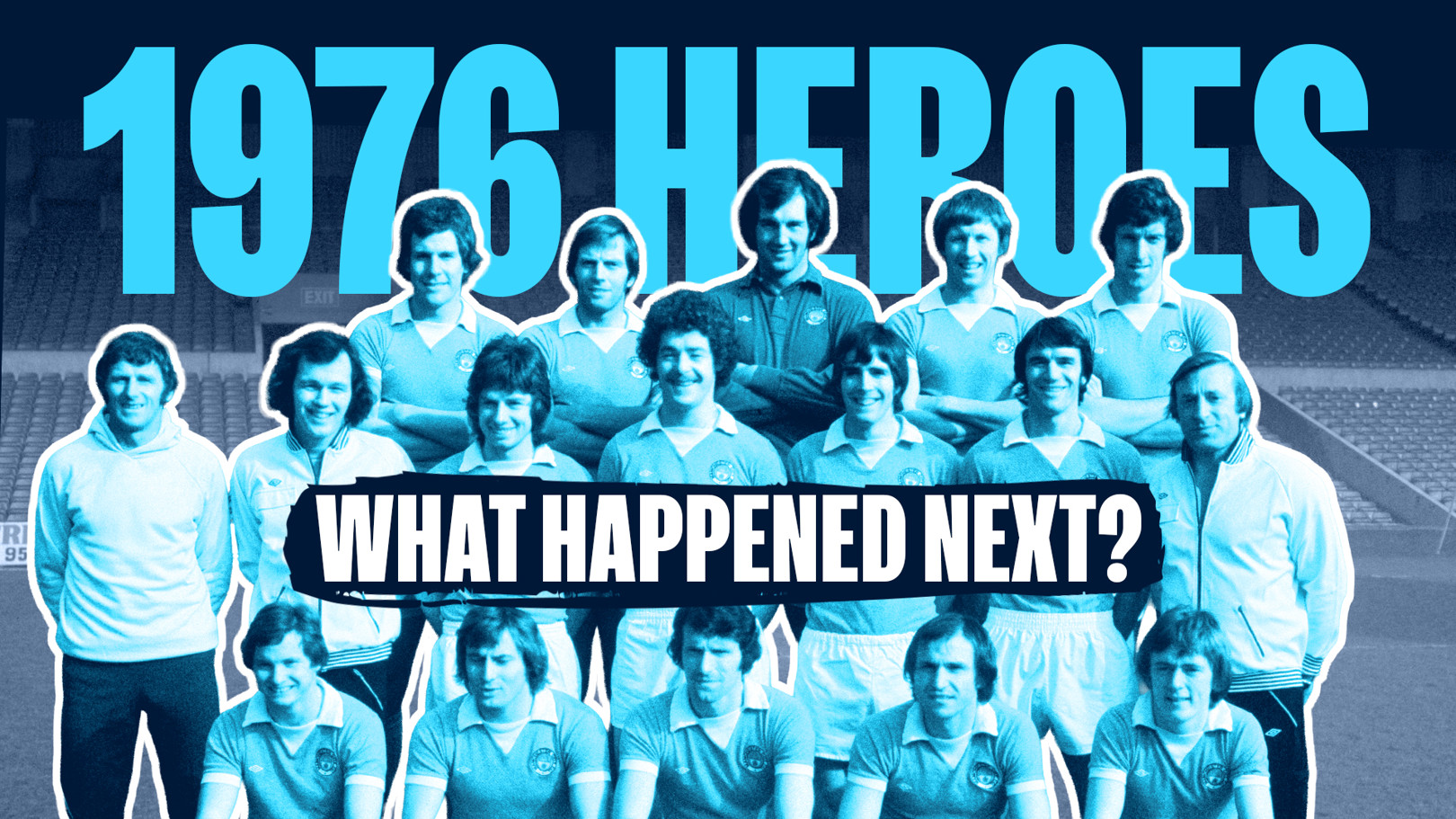
Neil Leigh delves into what happened to the squad and traces their subsequent and varied journeys in the wake of our Wembley triumph.
Joe Corrigan
A huge presence both on and off the field, goalkeeper Joe Corrigan - or Big Joe as he was universally and affectionately known - was already a big part of City history when he stepped out at Wembley that late February afternoon.
Hailing from Sale in Manchester, Joe was the very embodiment of a homegrown hero.
And by the time the 1976 League Cup final rolled round, Big Joe had already helped City win the European Cup Winners’ Cup, League Cup and Charity Shield.
His experience, composure and natural ability and technique proved key as City held off the Magpies to secure that memorable 2-1 victory.
What’s more, Big Joe’s career went from strength to strength in the aftermath.
Having been called into the senior England squad for that summer’s tour of the United States to mark the USA’s Bicentennial celebrations, Corrigan made his Three Lions debut at New York’s Yankee Stadium helping his country beat Italy 3-2 in a friendly.
Corrigan would go on to win nine caps for his country in total and was also part of England’s 1982 World Cup finals squad where they went unbeaten in Spain.
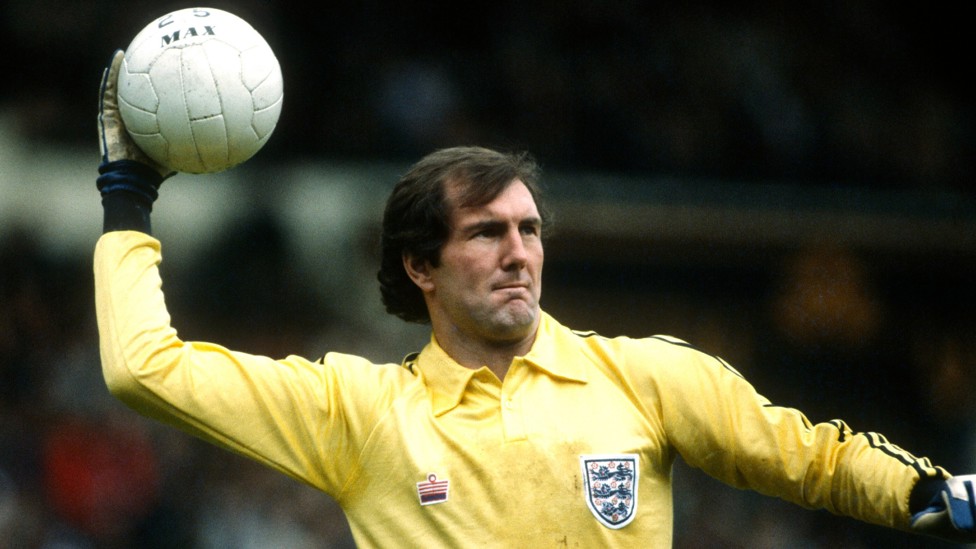
At club level meanwhile, Big Joe helped City finish runners-up in Division One to Liverpool in 1976/77 with Tony Book’s side missing out on winning the title by an agonising point.
And though the period spanning the lates 1970s into the early 1980s proved a turbulent one for the Club, Corrigan again proved a pivotal figure in helping City reach the 1981 Centennial FA Cup final against Tottenham.
He was voted player of the match in an action-packed 1-1 draw and was outstanding again as John Bond’s Blues were heartbreakingly edged out 3-2 in the subsequent replay.
By the time he finally called time on his City career in the spring of 1983, Joe had played 601 times, taking him second in the Club’s all-time appearance record books in a period spanning three decades.
After brief spells with Seattle Sounders, Brighton and loan stints with Norwich and Stoke, Big Joe called time on his illustrious playing career and made a successful switch into coaching.
He subsequently spent 10 years as goalkeeping coach at Liverpool and also served in the same role at a number of other clubs including West Brom.
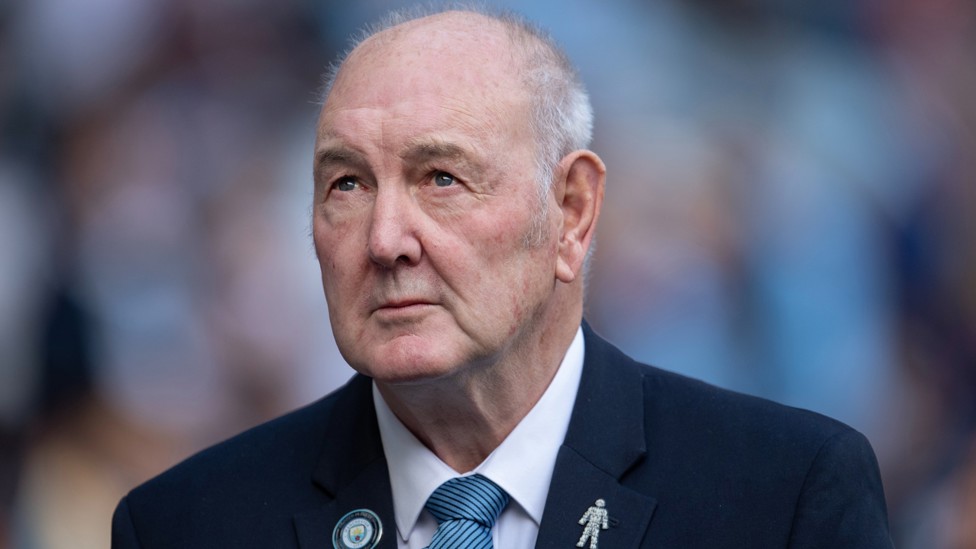
Upon retirement Joe took up a post as a highly respected Club ambassador with City, a role he continues to this day.
One of the towering figures in City’s post-war history, Joe was also awarded an MBE in 2025 for services to charitable fundraising.
Ged Keegan
In many ways, Ged Keegan served as one of the key unsung heroes of City’s 1976 triumph.
Having first joined City’s youth-setup as a schoolboy in the mid-1960s, after signing professional forms in 1972 initially as a forward, Ged then transitioned further back and become a hugely valuable and versatile member of that fine squad assembled by Tony Book.
Having made his senior debut in March 1975, Ged really came of age during the following campaign when he more than played his part in both City’s route to Wembley and subsequent triumph.
A maiden senior goal and assist in our 4-0 semi-final second leg win at home to Middlesbrough illustrated his quality.
And when Tony Book asked him to play at right back in the biggest match of his life at Wembley, Keegan more then delivered.
He was instrumental in the build-up to Peter Barnes’ opening goal and repaid the manager’s faith with a mature display that belied the fact he was just 20 years of age.
All told, Ged clocked up more than 20 appearances that term, but it was to prove the high-water mark of his time at City.
Injury conspired to derail his bid to build on that superb breakthrough campaign.
And, after having spent the bulk of the 1977/78 campaign skippering City’s reserves to the Central League title, Ged opted to make a fresh start in a bid to play more regular first team football.
He made the move to Oldham Athletic, and he would go on to spend four successful seasons at Boundary Park in total.
That was then followed by spells at both Mansfield Town and Rochdale before Keegan ended his playing days with non-league Altrincham.
Post football, Ged embarked on a subsequent 20-year career in life assurance – with his contribution to City’s 1976 League Cup success never to be forgotten.

Mike Doyle
A man for whom Manchester City meant the world, captaining the Club and lifting aloft the League Cup trophy that February day embodied Mike Doyle’s status in Maine Road folklore.
Having joined his beloved City as a youngster in 1962, Mike had already established a stellar career to be proud of leading up to Wembley ‘76.
An iron-clad centre-half, Doyle proved one of the mainstays of the formidable City side overseen by Joe Mercer and Malcolm Allison, helping us to claim the Division One league title, FA Cup, League Cup and European Cup Winners Cup as well as the Second Division crown in a golden era between 1966 and 1970.
Doyle continued to be the heartbeat of City across the bulk of the 1970s where his passion, desire – and dislike of all things Manchester United further endeared him to Blues everywhere!
His talent and consistency were also finally if belatedly recognised at international level.
After winning his first England cap in the summer of 1976 on that Bicentennial tour to the USA, Mike went on to figure for the Three Lions on five occasions with many arguing he was desperately unlikely not to win more caps.
However, a persistent knee injury was to signal the end of Doyle’s magnificent City era, and after chalking up 558 appearances, scoring an impressive 40 goals along the way, Mike moved on to join Stoke City in the summer of 1978.
His experience and influence helped pilot the Potters to promotion back to the top-flight and he was to spend a further two seasons at the Victoria Ground, helping establish Stoke back in the First Division.
Mike was on the move again in the summer of 1982, first to Bolton Wanderers before ending his magnificent career at Rochdale in 1984 and subsequently embarking on a successful post-playing career working in business and sales.
A regular presence at City in the years after his retirement, Mike sadly passed away in 2011 at 64.
However, his legacy will never be forgotten and his proud family association with City continued to endure with grandson Tommy going on to represent the Club at first team level and captain us to FA Youth Cup success in 2020.
Dave Watson
Tough as teak, brave as a lion and an imposing, wholehearted presence on the pitch, Dave Watson was a formidable centre half who dovetailed perfectly at the heart of the Blues’ defence alongside skipper Mike Doyle.
Dave had joined City from Sunderland in the summer of 1975 having already established himself as an England international even whilst the Wearsiders were still playing in the Second Division.
Alongside Dennis Tueart, Watson had been instrumental in helping the Black Cats to legendary success in the 1973 FA Cup final where they beat mighty Leeds United 1-0.
All told, Watson was to spend four seasons at City with our Wembley win over Newcastle the undoubted highlight where the sight of him receiving stitches for an eye cut live on TV after the game highlighted his bravery and unflinching commitment.
He also proved a mainstay of the Blues’ side that finished runners-up in Division One in 1976/77, missing out on the title to Liverpool by just one point.
During that time Watson also become an ever present in the England side, winning 65 caps in total and also representing the Three Lions at the 1980 European Championships.
After four hugely successful seasons at City where he made 188 appearances, Dave made a move abroad – a rare and revolutionary switch at the time – joining German side Werder Bremen in the summer of 1979.
It proved a short-lived adventure however, and he was back in England later that year, joining Southampton where he was to spend two and a half seasons bringing experience and solidity to Lawrie McMenemy’s Saints side.
A subsequent move to Stoke in January 1982 saw him spend 18 months in the Potteries before another move abroad saw him figure for Vancouver Whitecaps before Watson wound down his professional career with spells at both Derby County and Notts County.
Such was his thirst for the game and enduring fitness. Dave carried on playing into his 40s with non-league Kettering Town before then going into football marketing.
Sadly, Dave was diagnosed with Alzheimer’s Disease in 2011, with subsequent tests revealing probable CTE - a degenerative brain disease that has afflicted a number of high-profile retired players.
Since then, in tandem with wife Penny, Dave has been a tireless campaigner seeking to both raise awareness and help fund research into the issue.
Willie Donachie
A by-word for class and consistency, over the course of more than a decade Willie Donachie cemented his reputation for being one of the finest left-backs ever to represent City.
The Glasgow native had already played for City in the 1974 League Cup final where we were edged out 2-1 by Wolves so Wembley success two years later tasted all the sweeter.
Donachie continued to perform with huge distinction for City in the wake of our Newcastle success and, all told went on to notch up 436 appearances for the Club, scoring twice.
In that time, he also became a pivotal part of what was a hugely talented Scotland international side.
Willie would go on to win 35 senior international caps and was part of the Scotland squad that featured at the 1974 and 1978 World Cup finals in West Germany and Argentina respectively.
In 1980 Donachie called time on his distinguished City career to embark on a new challenge with Portland Timbers. He was to enjoy two spells with the American club sandwiched by time with Norwich City and Burnley.
A subsequent move to Oldham in the summer of 1984 also saw Donachie take up the role of player-assistant manager working under former City colleague Joe Royle and it proved an inspired pairing.
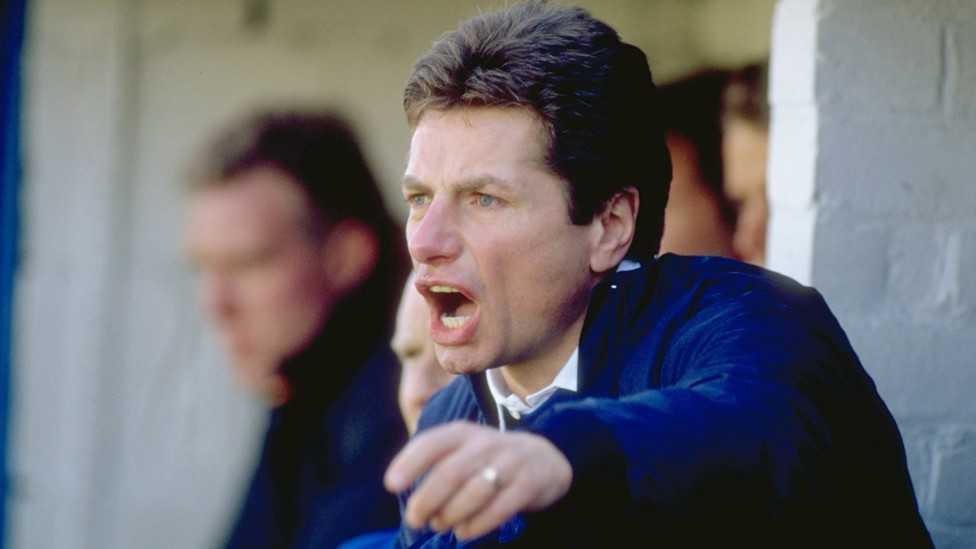
In tandem with Royle, Donachie was instrumental in what proved the greatest era of the Latics history with Oldham reaching the 1990 League Cup final, two FA Cup semi-finals as well as sealing promotion to the top flight.
Having carved out a reputation for being one of the game’s most shrewd, perceptive and deep-thinking young coaches, when Royle subsequently left to take charge of Everton in the autumn of 1994, Donachie made the switch with him, the pair helping guide the Merseyside club to FA Cup glory in May of 1995.
After spending some time as first team coach at Sheffield United, Donachie and Royle resumed their partnership when Joe was appointed City boss in February 1998.
Though their arrival was too late to prevent relegation from the then Division One (Championship), the pair’s coaching acumen and natural alchemy helped spearhead a memorable revival in fortunes as City secured dramatic back-to-back promotions in 1998/99 (via THAT Division Two play-off win over Gillingham) and 1999/2000 to the Premier League.
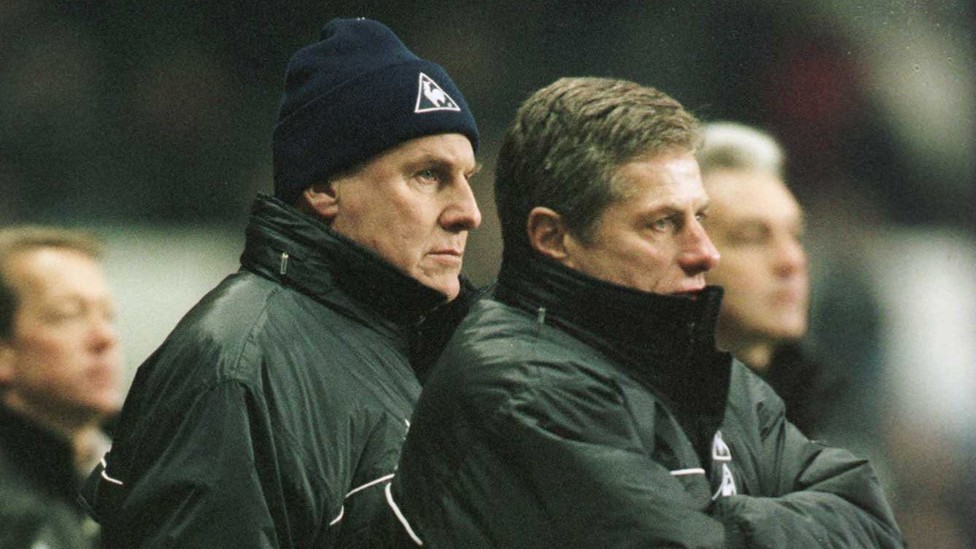
When Royle left City after relegation in May 2001, Donachie stayed on to work as first team coach under Kevin Keegan before becoming assistant to Terry Yorath at Sheffield Wednesday in November 2001.
Willie was to then join forces with Royle again at Ipswich Town before he then moved on to Millwall as assistant manager before taking full charge in late 2006.
After leaving Millwall, Donachie had subsequent spells in charge of Antigua & Barbuda, as assistant director of Newcastle United’s academy and then Hartlepool United as assistant manager.
He later went to the US, to coach Temecula, in California, before becoming manager of Montserrat with his most recent role as head coach of Southport women’s team.
Alan Oakes
Quiet in demeanour, huge in stature, Alan Oakes’ place in Manchester City legend was already long cemented by the time we lifted the 1976 League Cup.
But the midfield maestro’s authoritative performance and impact that day only added further lustre to City’s very own jewel in the crown.
That Wembley triumph came during what would be Alan’s 17th and final season at City.
By the time he finally called time on his glittering Maine Road career, Alan had chalked up an astonishing 680 games for the Club, making him City’s all-time record appearance holder.
Not surprisingly it’s a record that still stands to this day and is one which is unlikely to be ever broken.
During that time, he helped City amass seven major trophies and become a true Club icon in the process with the only surprise being that he was never capped by England.
He subsequently moved to join Chester City where he became player-manager, helping to unearth the likes of Ian Rush as well as helping the club reach the last 16 of the FA Cup along with winning the Debenhams Cup.
After leaving Chester, a final league appearance came in the 1983/84 season with Port Vale whom Alan had subsequently joined in a coaching capacity.
Alan then continued his coaching career going on to make a return to Chester City into the 1990s.
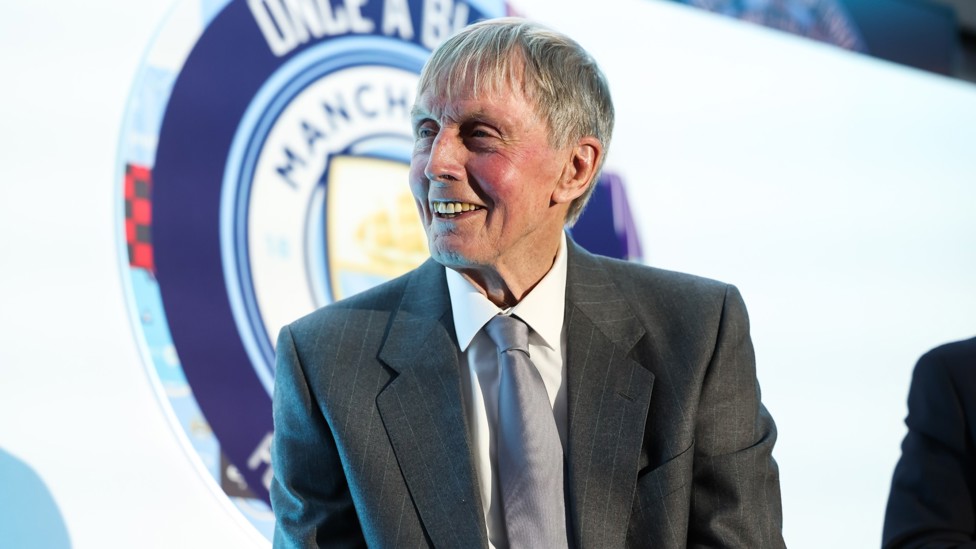
Content to enjoy a quiet retirement in Cheshire in keeping with his modest nature, Alan’s family connection with the game then continued into the 2000s thanks to son Michael who carved out a fine career in the game with Aston Villa, Wolves and Cardiff as a highly rated goalkeeper.
Tommy Booth
Another true bona fide City icon, Tommy Booth had already chalked up his own formidable City CV long before the 1976 League Cup final came around.
Having made his professional debut in 1968, Tommy had already helped City achieve success in the FA Cup, League Cup, European Cup Winners Cup and Charity Shield by the time of our meeting with the Magpies.
However, his importance to the City cause – and versatility – were amply illustrated that Wembley afternoon with Booth deputising for the injured Colin Bell in midfield to enormous effect.
And it was from his smart headed assist that Dennis Tueart conjured up his own moment of magic that helped win the cup with that now iconic overhead kick.
Booth’s stellar time at Maine Road would extend well beyond that memorable afternoon against Newcastle.
Indeed, Tommy went on to become one of the very few players whose professional career at City stretched across three decades.
Along the way, he helped City finish runners up in Division One in the 1976/77 season and also played his part in helping guide the Blues to a place in the 1981 FA Cup final and replay – though he missed out on a place in the matchday squad for both games.
Having chalked up 491 games and helped City secure five major trophies, Tommy’s remarkable 16 years at the Club finally came to an end in 1981.
He was to make the short move up the M6 to join Preston North End and went on to make almost 100 appearances for the Lancashire club before injury forced him to end his playing career during the 1984/85 season.
That was followed by a spell as Preston manager in early 1985 before the Deepdale club’s then financial issues saw him leave the following year before then taking up a number of roles away from football.
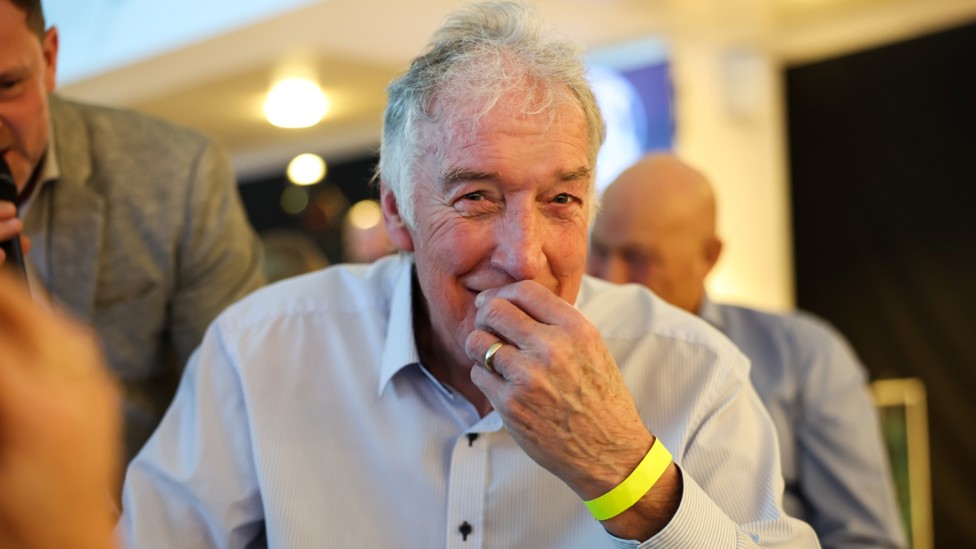
Tommy’s connection and love for City never abated however and he subsequently took up a role as a hugely popular Club ambassador, a position which he continues to this day with TB also a regular at the Etihad on matchdays.
Asa Hartford
A tigerish presence in City’s midfield that Wembley day, Hartford had already experienced the fickle nature of footballing fate long before helping the Blues to League Cup glory.
A superb talented Scottish midfield talent, Asa had been on the losing side – ironically against City – when playing for West Brom in the 1970 League Cup final.
18 months later Hartford was then set to join Leeds United – then English football’s most dominant side – only for the move to be scuppered at the 11th hour after a medical revealed he had a slight hole in the heart.
It was a devastating blow – but after further rigorous medical checks, Asa was able to resume his career with Albion and demonstrated he possessed huge reservoirs of mental strength to go alongside his abundant natural talent and ability.
Within six months Asa had won the first of 50 international caps for Scotland, going on to figure for his country at both the 1978 and 1982 World Cup finals and a move to City subsequently followed in 1974.
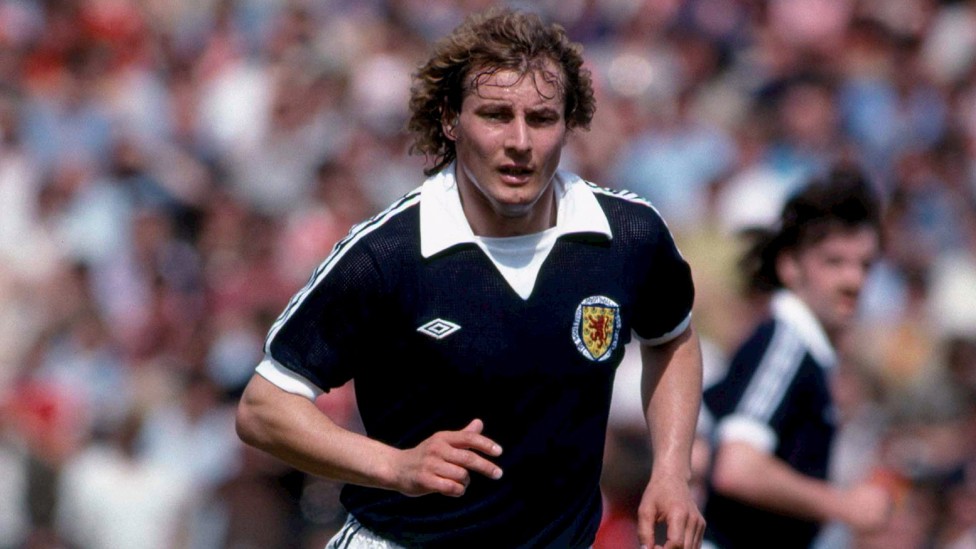
That 1976 League Cup success was to prove the highlight of five memorable years at Maine Road before Hartford moved to Nottingham Forest in the summer of 1979.
However, he was then subsequently sold to Everton after figuring just three times for Brian Clough’s then reigning European Cup holders.
After two years on Merseyside, Asa staged an emotional return to City in the autumn of 1981 where he would spend the next two and half seasons.
All told, he clocked up 321 appearances for the Club, scoring 36 times across his two spells before embarking on a new challenge in the United States with Fort Lauderdale Sun in 1984.
Hartford then staged a return to England with Norwich City and had the distinction of enjoying another stellar Wembley experience in March 1985, with his goal firing the Canaries to a 1-0 League Cup final triumph over Sunderland.
Asa then went on to enjoy spells with Bolton, Oldham, Bury, Stockport County and Shrewsbury, before making a successful move into coaching.
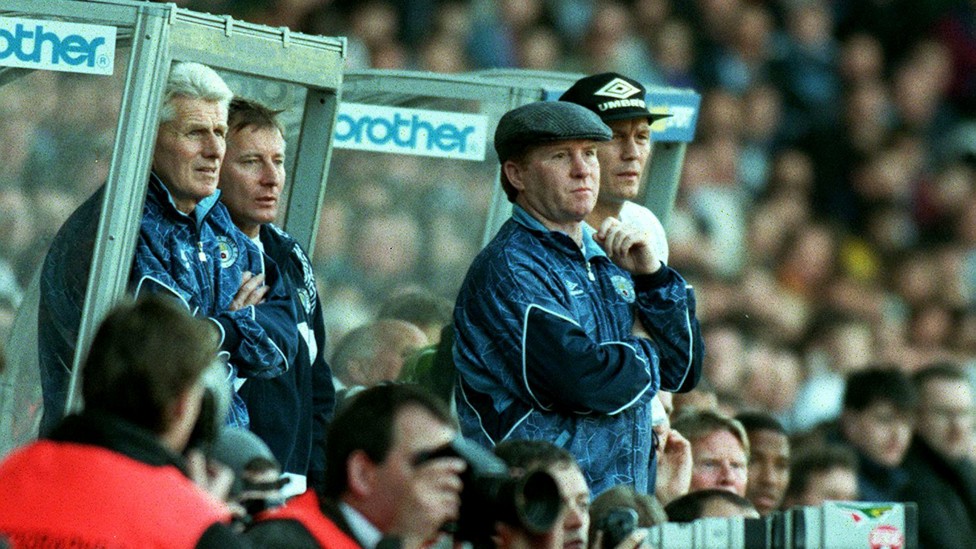
He rejoined City for a third time in July 1995, this time as Alan Ball’s assistant and had a spell as caretaker boss after Ball’s departure the following year.
He would go on on to stay at the Club for 10 years before further coaching spells at Blackpool, Macclesfield and Accrington Stanley as well as later undertaking a role scouting for Birmingham City.
Peter Barnes
His brilliant goal which set City on our way to victory over Newcastle in 1976 helped ensure that even as a teenager Peter Barnes would forever hold a special place in the hearts of all Blues.
Even before starting his professional career, the flying winger already held a special family connection.
Peter’s Dad Ken was first a legendary player with City – helping the Club win the 1956 FA Cup final – before going onto become a hugely respected chief scout.
And over the course of a superb career of his own Peter more than maintained that proud family heritage.
Having started his youth career with City in 1972, Peter’s professional debut came in 1974 in the Manchester derby no less.
Having more than made his impact across City’s march to Wembley, Barnes’ early goal capped a quite superb individual display by the teenager.
It also farmed part of a memorable weekend with Peter then being named the PFA Young Player of the Year at a glittering awards ceremony in London the following evening.
Having cemented himself as a mainstay of the City team, full international recognition duly followed in 1977 with Barnes making his Three Lions debut in a memorable 2-0 World Cup qualifying win over Italy.
All told Peter was to win 22 full caps, scoring four times for the national side.
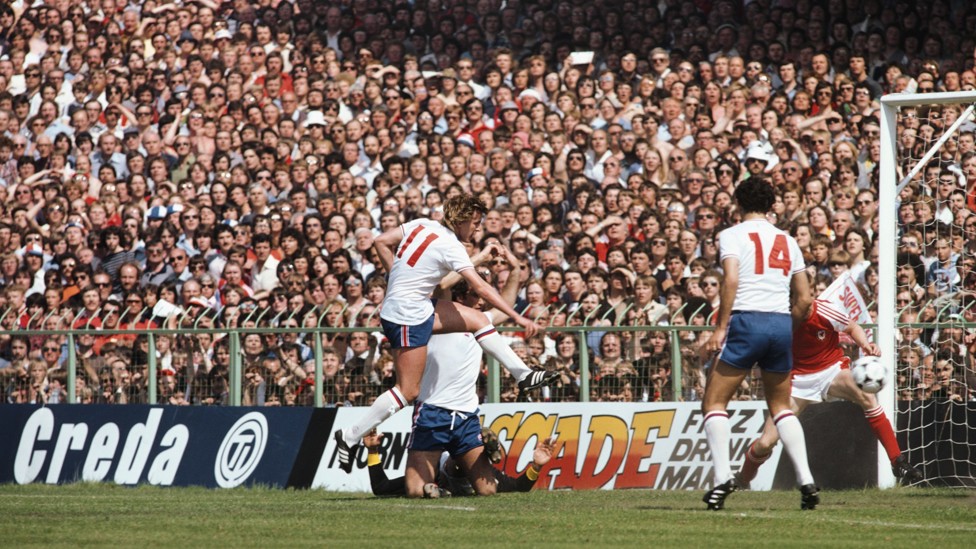
Having made a huge impact across four seasons at City figuring 150 times and scoring 22 times, Peter moved on in the summer of 1979 becoming West Brom’s record signing at the time.
Though he arguably never quite replicated the high of that 1976 triumph, Peter went on to enjoy a wide and varied career, spanning 19 years.
It’s one that took him to an astonishing 25 clubs spread across eight countries and also saw him become one of an elite band of players to represent both Manchester City and Manchester United, Barnes figuring at Old Trafford between 1985 and 87.
By then he had already spent two spells at Leeds United, played for Real Betis of Spain and represented Coventry City.
After leaving United, Peter also made an emotional homecoming to Maine Road, but it proved a short-lived return, Barnes making 160 appearances all told.
The latter years of his career saw Barnes spend brief spells at a host of clubs including Hull City, Bolton Wanderers, Sunderland, Bury and Tampa Bay Rowdies before he finally hung up his boots in 1992.
After a brief managerial career working a season with Runcorn and ending it with Gibraltar in 1988, Peter branched into business as well as working in the media as a pundit and analyst.
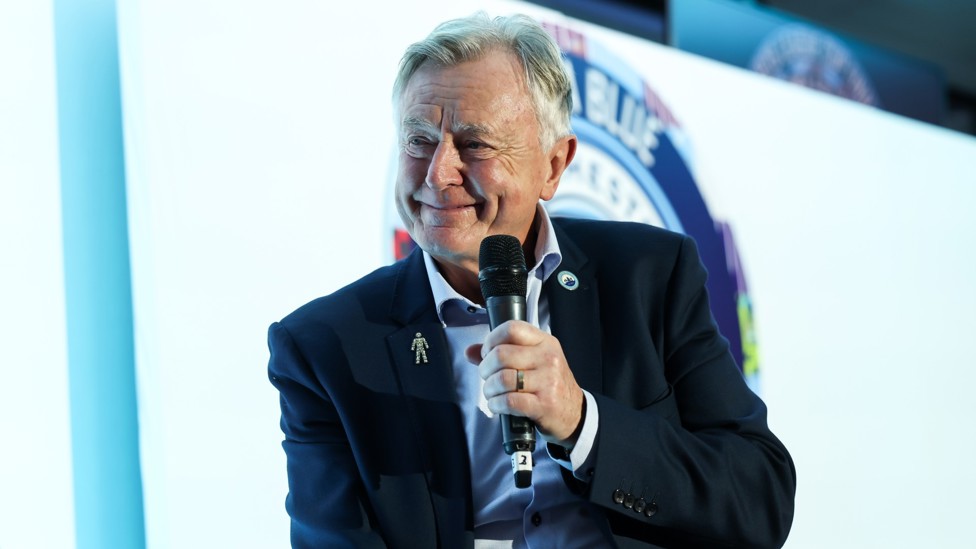
Now a popular Club ambassador, Peter remains a regular presence at the Etihad on match days.
Joe Royle
Joe will forever hold a special place in City history as being one of the select few of an elite club to have played for and then subsequently managed the Blues.
A centre forward of the very highest quality, the Liverpudlian had already enjoyed a stellar career with Everton and represented England before joining City in the summer of 1974.
Royle proved an instant hit at City and was instrumental in helping us overcome the Magpies in that famed ’76 League Cup final, with Joe also enjoying the distinction of scoring a goal in each round en route to Wembley.
His international career also continued whilst he was at City with Joe going on to make six appearances in total for the Three Lions.
After helping City finish Division One runners-up in 1976/77 and making 124 appearances overall scoring 32 goals, Royle moved on to Bristol City in the autumn of 1977.
Joe would spend three seasons at Ashton Gate before he ended his playing days at Norwich City where he was later voted into the Club’s Hall of Fame.
That was the precursor to a hugely successful subsequent career as manager.
It began at Oldham Athletic in the summer of 1982 and over the course of the next 12 years, Royle, largely in tandem with coach Willie Donachie, oversaw the most successful spell in the Lancashire club’s history.
As well as guiding the Latics to the 1990 League Cup final and two FA Cup semi-finals, Joe helped pilot Oldham to promotion to the topflight in the summer of 1991 for the first time in 68 years.
After more than 12 years in charge at Boundary Park, Royle then accepted a new challenge moving to Everton in November 1994 who were battling to avoid relegation.
Not only did Royle keep the Merseysiders up, he also led the Club to FA Cup glory in May 1995 with a 1-0 win over Manchester United.
Joe’s next challenge arrived in February 1998 when taking on the challenge of managing City in the midst of our battle to avoid relegation from Division One.
Though unable to prevent the drop, Royle helped mastermind the most dramatic of recoveries.
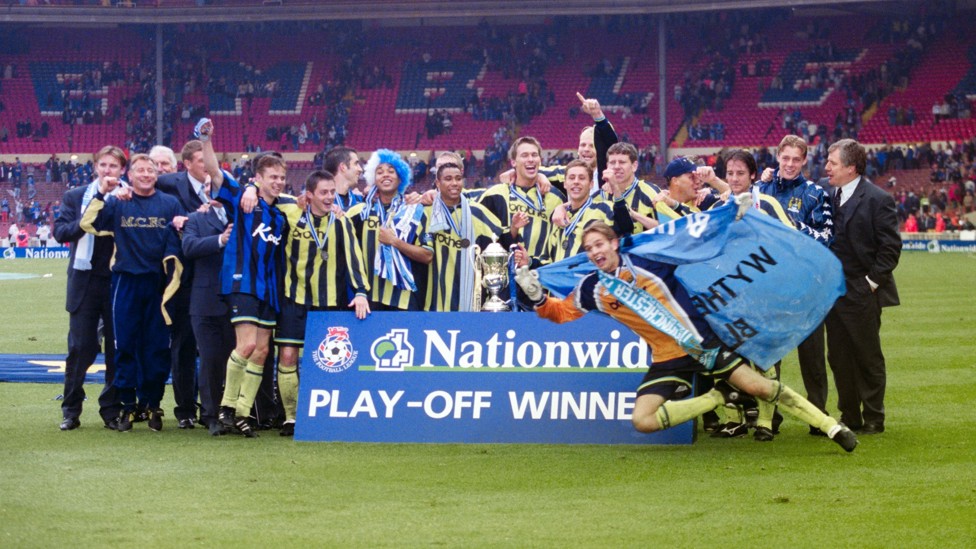

The following season he helmed one of the Club’s most memorable moments when we beat Gillingham on penalties in the 1999 Division Two play-off final at Wembley after having fought back from 2-0 down on 85 minutes.
A year later, he oversaw a second successive promotion as City finished runners up in Division One and secured a place back in the Premier League on the final day of the 1999/2000 season.
In the wake of a relegation at the end of the following campaign, Royle left Maine Road before then returning to continue his managerial career with Ipswich Town in 2002 where he remained in charge until 2006, twice leading the Portman Road outfit to the Championship play-offs.
Joe was later to serve as temporary manager at Oldham in 2009 before returning to Everton to help oversee their Youth Development programme in 2014.
Joe still serves as a director of Oldham Athletic, having joined the Latics’ board in 2022.
Dennis Tueart
A thrilling attacking winger of the highest calibre, Tueart’s place in both City and Wembley legend is assured thanks to his spectacular overhead kick that delivered League Cup glory that afternoon.
A proud native of the North East, Tueart had already tasted Wembley glory before joining City in 1974, as he was part of the then second division Sunderland side that famously beat Leeds United 1-0 to win the 1973 FA Cup final.
Having made the move to Maine Road in the spring of 1974, Tueart’s career trajectory continued to go from strength to strength upon his arrival at City.
A first England appearance arrived in 1975 with many observers feeling Dennis was unlucky to be restricted to six full caps given his natural talent and flair.
In the wake of his Wembley exploits in 1976, with his strike going on to be named the greatest League Cup final goal of all time, Dennis was then one of the key components of a thrilling City side that finished runners-up in Division One in the 1976/77 season.
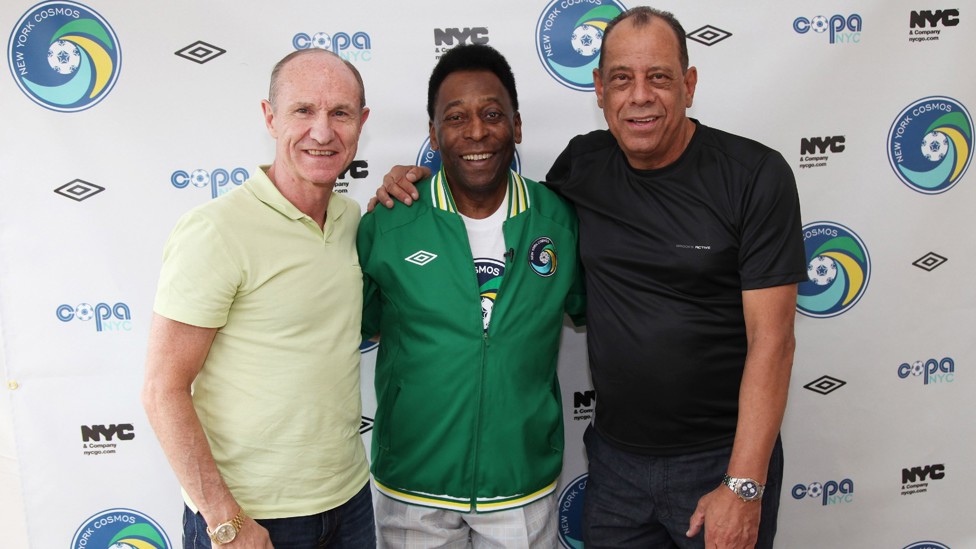
However midway through the following campaign he embarked on a bold new challenge, crossing the Atlantic to link up with the legendary New York Cosmos.
Tueart would go on to spend two seasons in the States making a substantial impact.
He was a two-time Most Valuable Player award winner as well as helping the Cosmos to win two successive North American Soccer League crowns.
But almost two years to the day after leaving for the States, Dennis made an emotional return to City in early 1980.
He would spend more than three years at Maine Road in his second City spell, featuring as a substitute in our 1981 FA Cup final replay loss to Spurs.
After having made 275 appearances for the Club, weighing in with a hefty 109 goals, a move to Stoke then followed in the summer of 1983 before Tueart wound down his English professional career at Burnley.
Dennis subsequently went on to enjoy a successful post-playing career in setting up a highly successful conferencing business, Premier Events.
He also further utilised his sporting and business acumen by accepting an invitation to become a director of City in the late 1990s.
It was a key boardroom role with Dennis an important figure in the appointment of both Joe Royle and Kevin Keegan as managers as well as the helping in the Club’s move from Maine Road to the City of Manchester Stadium (now Etihad) in 2003 before he stepped down in 2007.
Kenny Clements
Substitute at Wembley as City lifted the 1976 League Cup, Kenny Clements was one of a host of talented local youngsters to have made their way through the Club’s ranks in that period.
Kenny first joined City in the early 70s, after having forged a reputation as a formidable striker in local football in Middleton.
However, by the time Clements made his professional debut for City in August 1975 he had been redeployed as a fine defender.
His ability and versatility meant he was adaptable in terms of where he played with Kenny also demonstrating he was both a fine right back and hugely effective centre half.
Along with the likes of Peter Barnes, Paul Power and Ged Keegan, Clements was one of a phalanx of exciting young players introduced to the City side by manager Tony Book and become a mainstay of the Blues for the best part of four seasons.
However, following the exit of Book as a manager in 1979, Kenny opted to embark on a new challenge with Oldham Athletic where he was to become a huge favourite.
All told, he spent six years at Boundary Park establishing himself as a pivotal part of the Latics’ back line before fate intervened and he was offered a chance to return to City in 1985.
Kenny would go on to enjoy another three seasons with the Blues, eventually clocking up 281 appearances all told across his two stints at City.
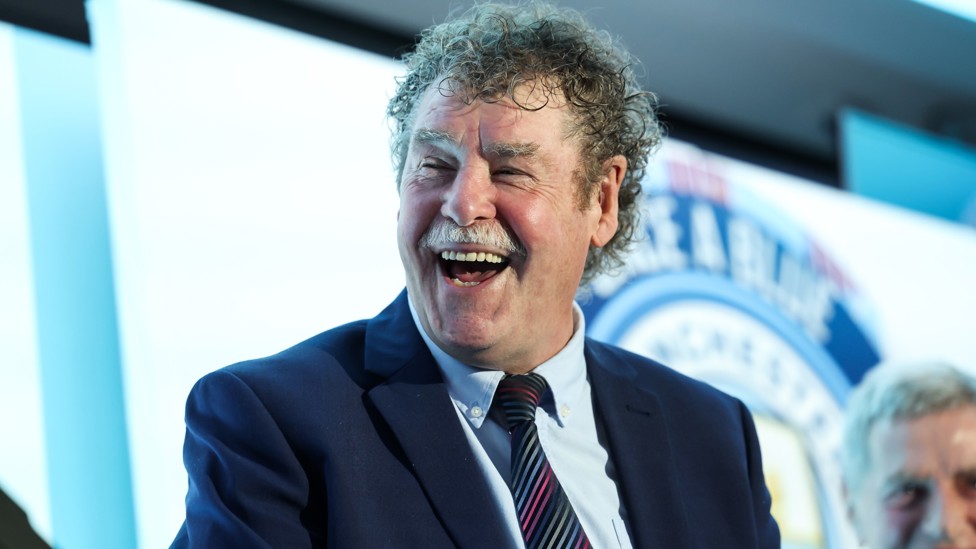
One of the great characters of the City era, Clements then furthered his professional career with Bury and Shrewsbury Town, interspersed with a brief spell as player manager at League of Ireland club Limerick Town.
After finally calling time on his football career in the early 1990s, Kenny went on to subsequently open a successful driving school in Greater Manchester as well as proving a talented and keen artist.